What is septic fabric?
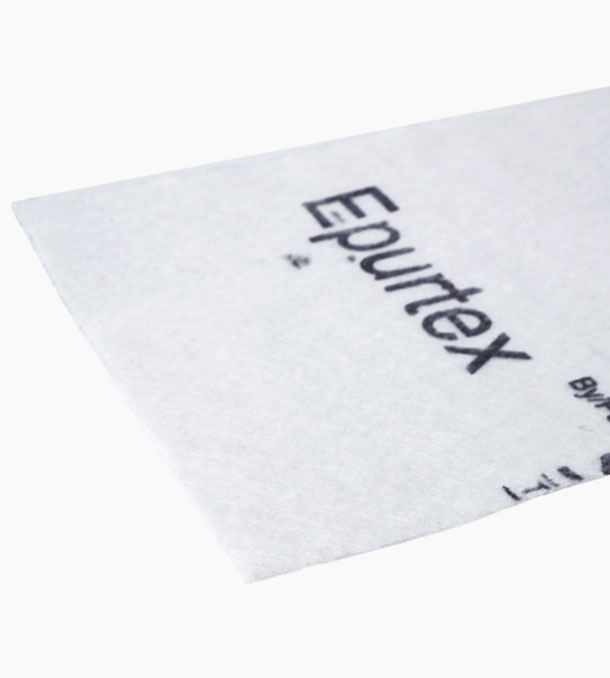
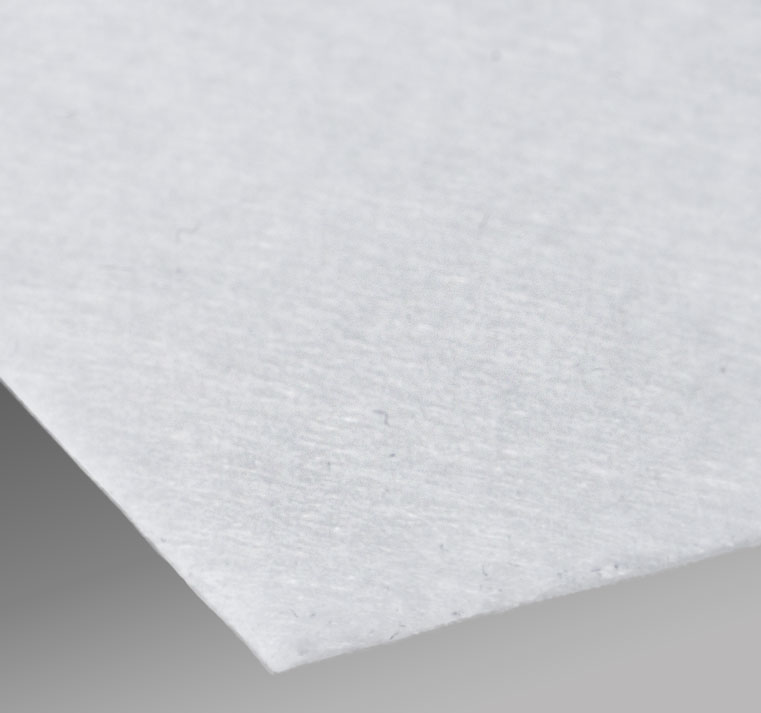
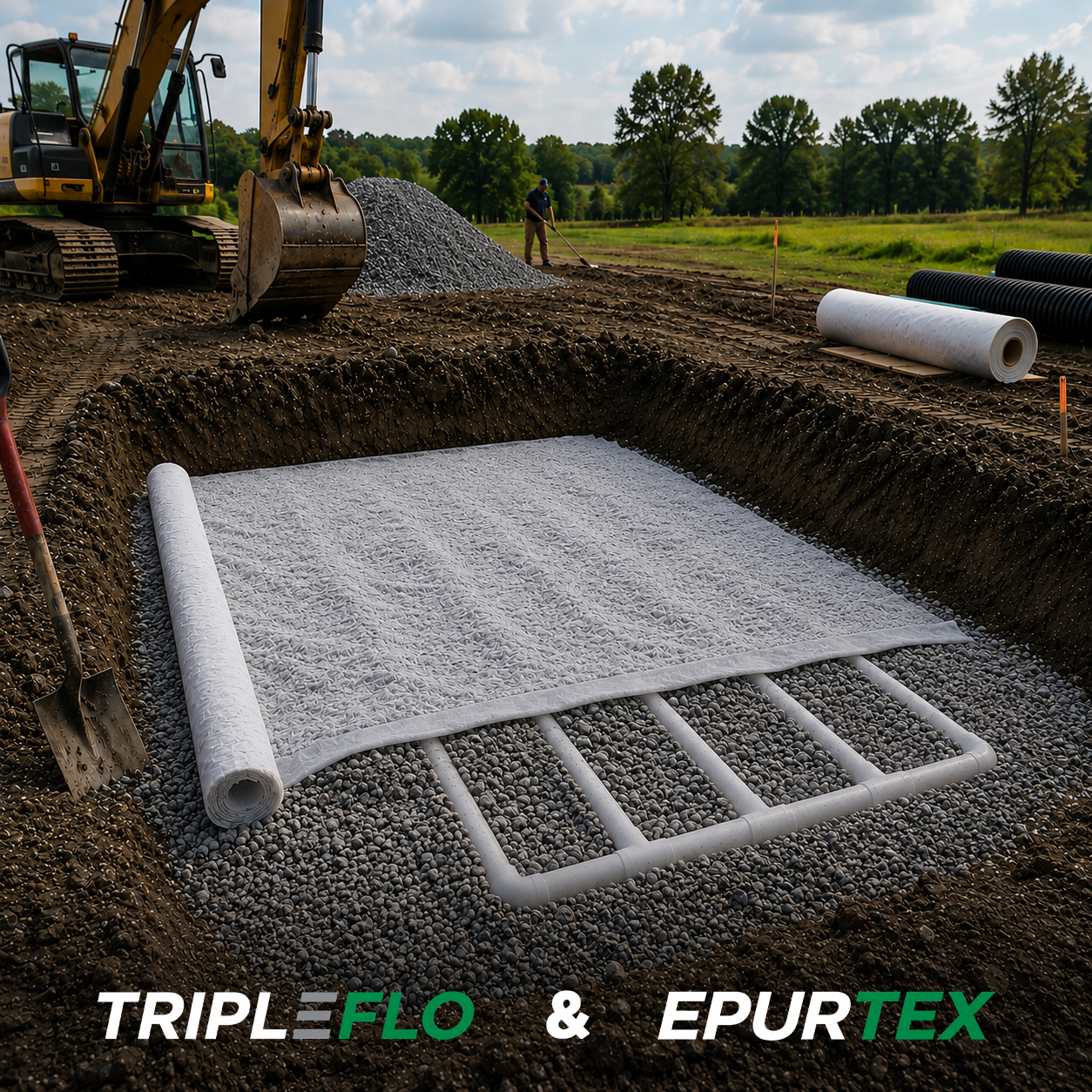
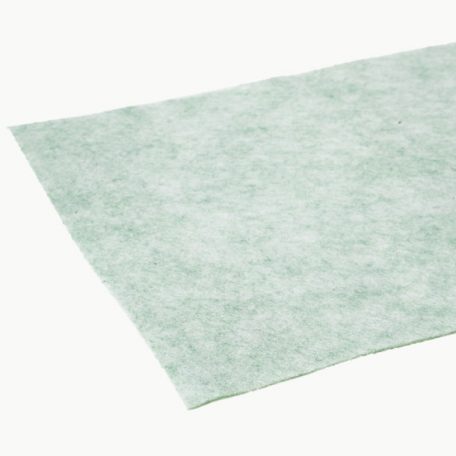
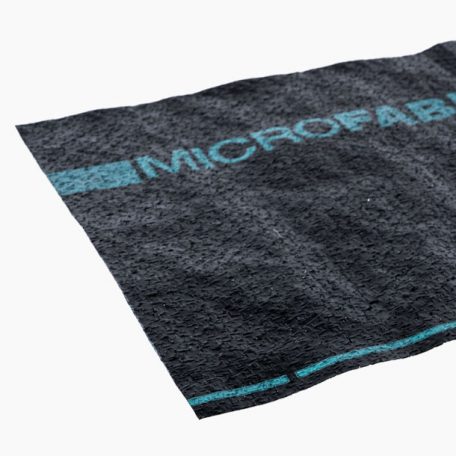
Septic fabric is a specialized filtration fabric used in onsite septic system drain fields. Installed around perforated drainage pipe or aggregate, it helps prevent fine soil particles from entering the infiltration system while allowing wastewater to flow through. Proper filtration helps maintain long-term system performance and reduces the risk of premature clogging.
What is septic fabric used for?
Septic fabric is primarily used in drain field installations to:
- Separate soil from drainage media.
- Prevent sediment migration into the infiltration area.
- Protect perforated pipe from clogging.
- Maintain infiltration performance over time.
- Extend the service life of septic systems.
It is commonly used in conventional stone-and-pipe leach fields and other onsite wastewater treatment systems.
Why is septic fabric important in a septic system?
Without proper filtration, fine soil particles can migrate into the drainage layer and gradually reduce the system’s ability to infiltrate wastewater. Septic fabric acts as a protective barrier that helps preserve the hydraulic performance of the drain field and supports long-term system reliability. It facilitates evapotranspiration and oxygen transfer in absorption trenches.
What is the difference between septic fabric and other geotextile ?
Septic fabric is a type of geotextile specifically designed for leach field applications. While many geotextiles are used for separation, reinforcement, or drainage in civil engineering projects, septic fabrics are engineered to provide the filtration characteristics required for efficient septic system drain fields.
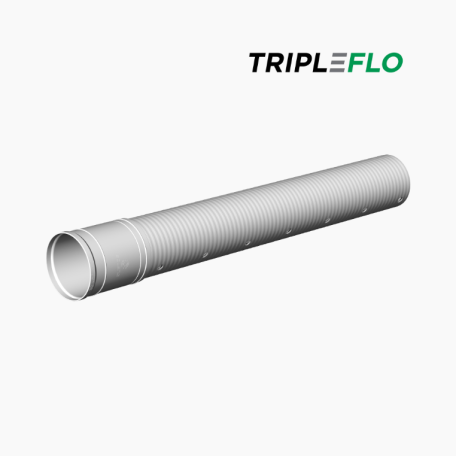
Can septic fabric be used with perforated HDPE pipe?
Does septic fabric prevent drain field failure?
Epurtex Septic fabric helps reduce the risk of premature drain field failure caused by sediment intrusion and clogging. While no single component can prevent all failures, proper filtration is an important part of maintaining infiltration performance and protecting the system over time.
How long does septic fabric last?
The lifespan of septic fabric depends on soil conditions, system design, installation quality, and wastewater loading. High-quality nonwoven septic fabrics like Epurtex are designed to provide long-term filtration performance throughout the service life of the septic system.
What type of septic fabric should be used for a drain field?
The appropriate septic fabric depends on: soil type ; local regulations ; drain field design ; pipe configuration ; infiltration requirements.
Professionally designed septic systems typically specify filtration materials that meet local wastewater management standards and installation requirements.
Is septic fabric required by code?
Requirements vary by jurisdiction. Many onsite leach field regulations require filtration or separation materials in certain drain field configurations. Installers should always verify local code requirements before construction.
What is the difference between septic fabric and filter fabric?
The terms are often used interchangeably in septic applications. However, septic fabric generally refers to filtration materials specifically intended for onsite wastewater systems, while filter fabric may refer to a broader range of filtration geotextiles used in civil engineering projects.
Can septic fabric be used in residential and commercial septic systems?
Yes. Septic fabric is used in a wide range of onsite wastewater treatment systems, including:
- Residential septic systems.
- Commercial septic systems.
- Institutional facilities.
- Community wastewater systems.
The selected fabric should match the design requirements of the project.
Does septic fabric improve drain field performance?
Septic fabric like Epurtex helps maintain drain field performance by reducing sediment migration and protecting the infiltration media from contamination. This helps preserve the available infiltration area and supports consistent wastewater treatment.