Greener Pipes. Validated.
Independent study confirms our green leadership
October: Circular Economy Month

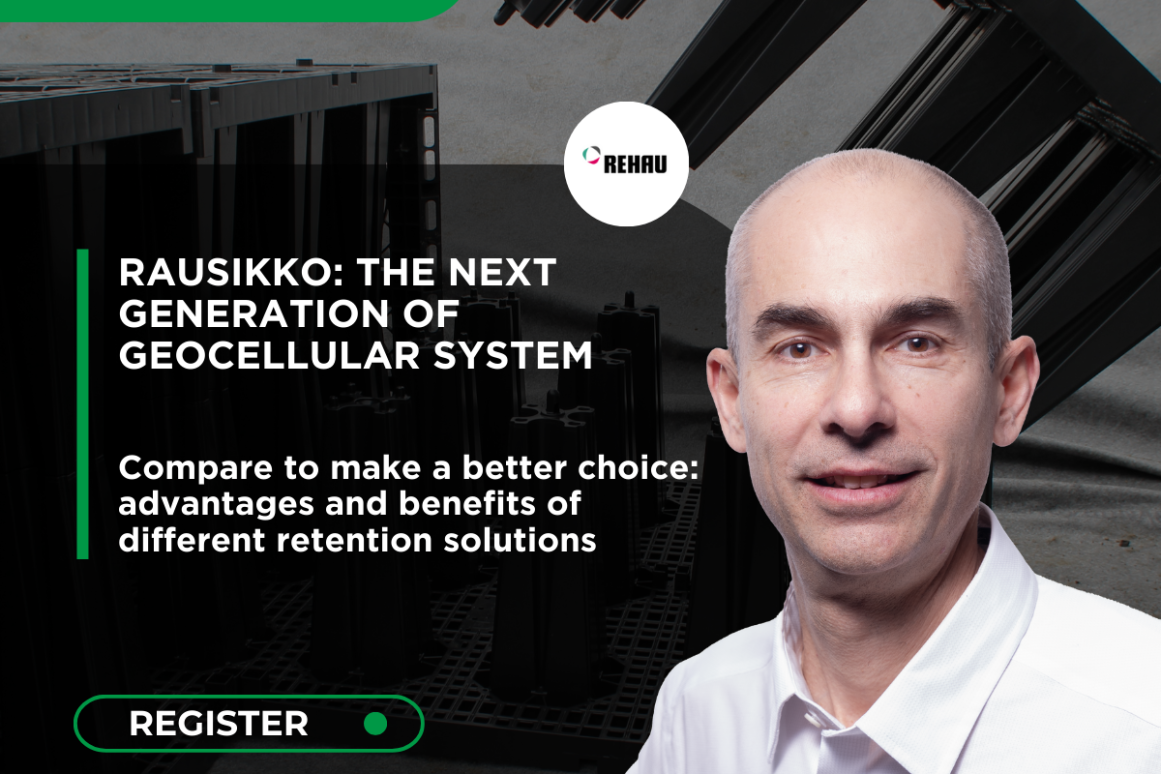
WEBINAR | RAUSIKKO : THE NEXT GENERATION OF GEOCELLULAR SYSTEM Faced with […]
More news
Independent study confirms our green leadership
October: Circular Economy Month
A comparative analysis conducted by an independent third party clearly demonstrates the environmental advantage of our recycled HDPE pipes in terms of climate change (GHG), energy consumption, and overall impact.
The cradle-to-grave LCA covers all stages of the Soleno product life cycle, from raw material extraction to the end of the pipes’ life. Conducted by Ellio*, a consulting agency specializing in sustainable development, it has also been submitted to and validated by an independent peer review.
The impacts of HDPE and CONCRETE pipes are assessed using a total of nine indicators, mainly related to resource depletion and impacts on ecosystems.
*Source : Analyse du cycle de vie comparative de 2 conduites 24 » en PEHD 90% recyclé et en béton. Ellio Service Conseil. 2024. Rapport.
The analysis shows that recycled HDPE pipes emit at least 39% less greenhouse gases than concrete pipes.
Moreover, for every 1,000 feet of HDPE pipe installed instead of concrete, CO₂ (GHG) emissions are reduced by 11.3 tons, which is equivalent to driving 1.12 times around the earth.
In addition, Soleno recycled HDPE pipe confirms its advantage across all six environmental impact indicators.
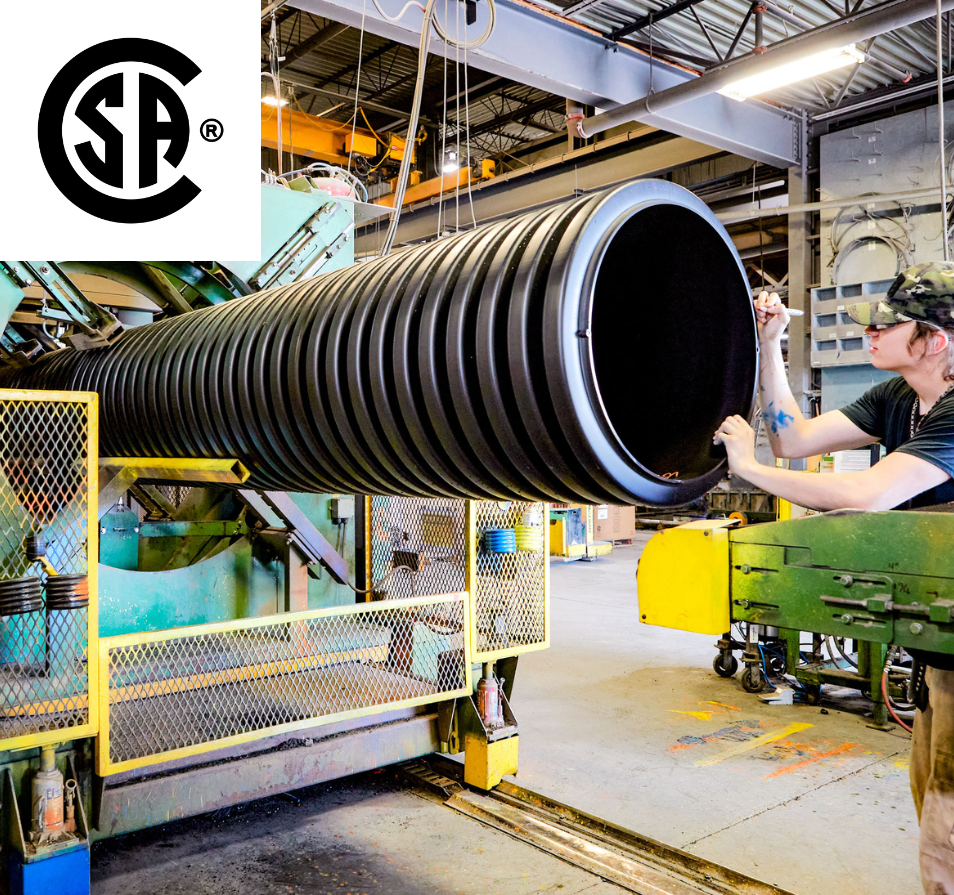
The recycled materials used in manufacturing and the more energy-efficient installation machinery directly contribute to reducing the overall carbon footprint of our products. Soleno is also the first company in Canada to obtain CSA B182.8-R certification, audited by CSA.
This certification is formal recognition of our ability to create our own resin composition for manufacturing our pipes from recycled materials. Thanks to CSA B182.8-R certification, all our CSA-certified products contain between 75% and 100% recycled materials, while strictly complying with the performance standards for the finished product.
Several years ago, Soleno established the Soleno Innovation Pole, which symbolizes our desire to contribute to change in current practices.
By stimulating scientific research, we aim to develop technologies to transform these recyclable plastics, previously destined for landfill or export, into high-performance, environmentally friendly products.
The pole now has a world-class laboratory that combines the expertise of private, government, and academic partners. In collaboration with these partners, the pole aims to integrate training and coaching for highly skilled workers in the field of plastics processing.