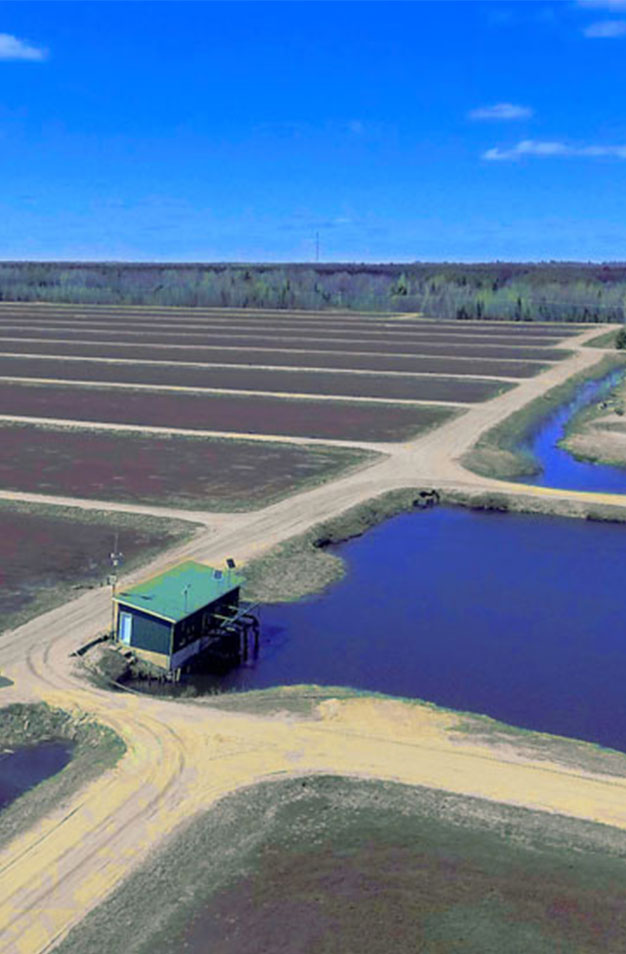
Modernizing a Water Management System for Organic Cranberry Production
- Client : Atocas St-François
- Sectors : Agricultural Development
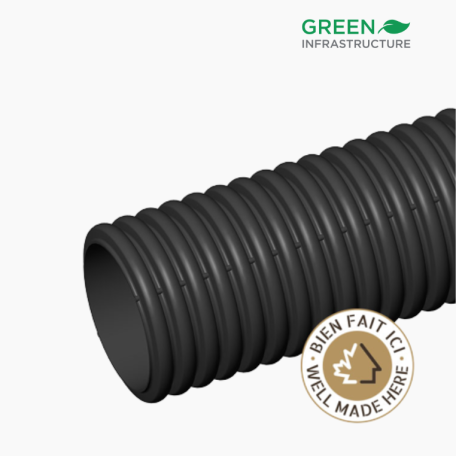
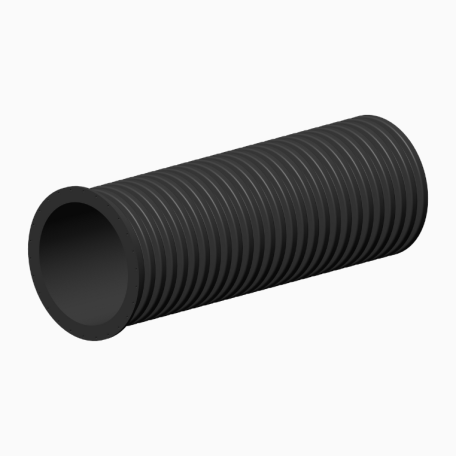
- Products : Non-Perforated Solflo Max, Flanged End for solflo max pipe
- Realization : 02/10/2025


WEBINAR | RAUSIKKO : THE NEXT GENERATION OF GEOCELLULAR SYSTEM Faced with […]
More news
Optimizing Water Management in Organic Cranberry Production
In organic cranberry farming, precise water management is essential to maintaining crop quality, improving operational efficiency, and supporting long-term productivity.
Atocas St‑François operates organic cranberry fields where water level control plays a critical role throughout the growing and harvesting cycles. During spring and fall harvest periods, flooding and drainage operations must be carefully managed to ensure consistent field performance and protect crop yields.
In this context, reliable hydraulic infrastructure becomes a key component of operational success.
The existing steel control system had begun showing signs of wear, particularly related to watertightness and overall durability. These issues created growing concerns regarding maintenance requirements, operational reliability, and water loss during critical production periods.
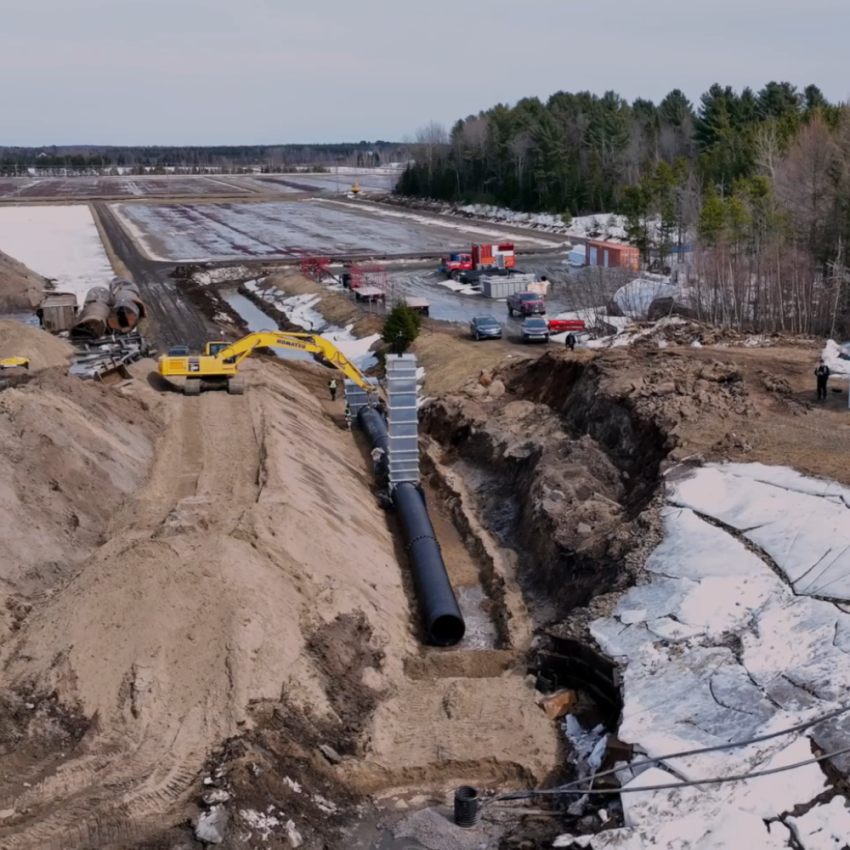

The reliability and watertightness of the system are directly linked to the overall performance of operations.
For cranberry producers, the reliability and watertightness of water control systems directly impact harvesting efficiency and field performance.
The replacement system needed to achieve several operational objectives:
With organic production, operational consistency and environmental control are essential. Any infrastructure failure can affect harvest timing, field accessibility, and overall crop management.
Custom HDPE system with flanged end
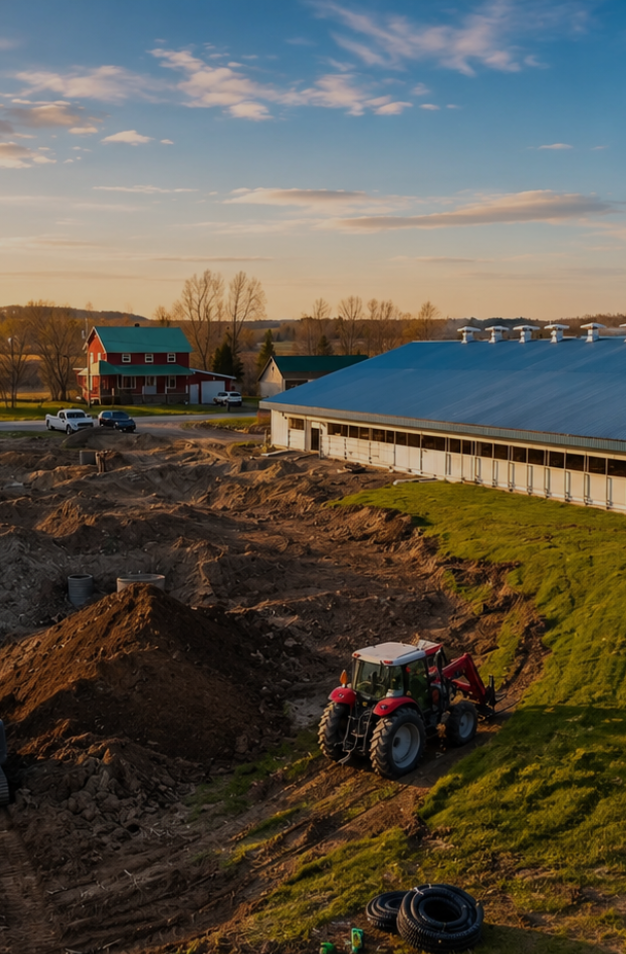
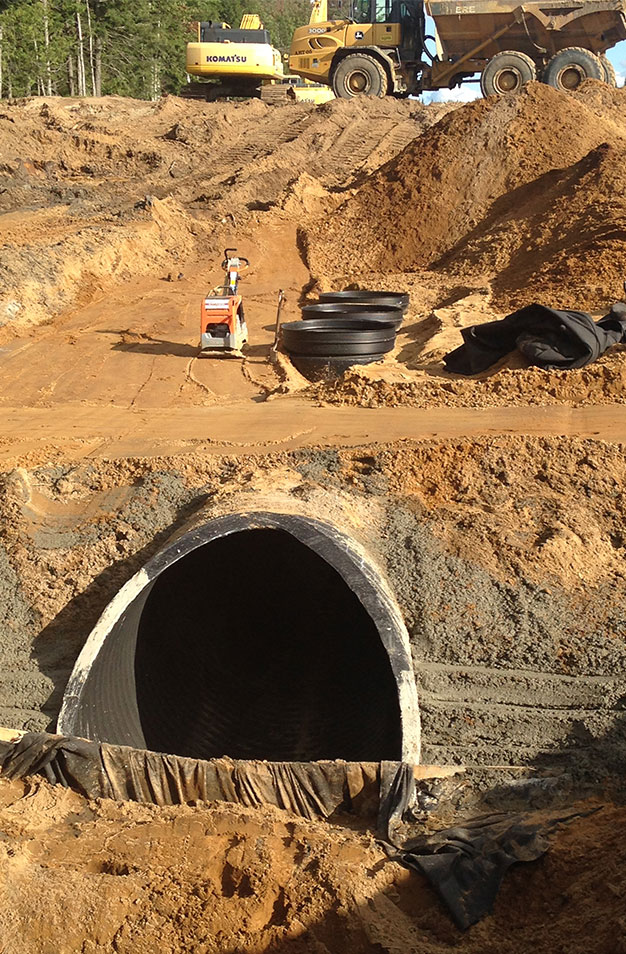
Working closely with Soleno, a custom water management solution was developed specifically for the site conditions and operational requirements of the cranberry farm.
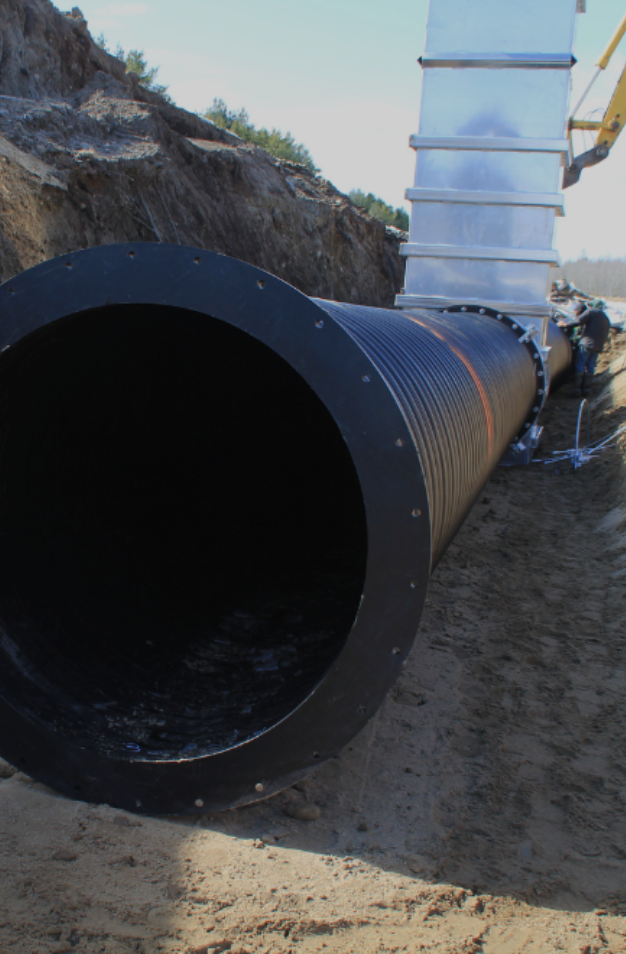
The existing steel system was replaced with a 1200 mm high-density polyethylene (HDPE) pipe equipped with flanged ends.
This upgraded system delivered several important advantages:
The custom-engineered design was developed to meet the specific production realities of organic cranberry farming while supporting long-term operational efficiency.
discover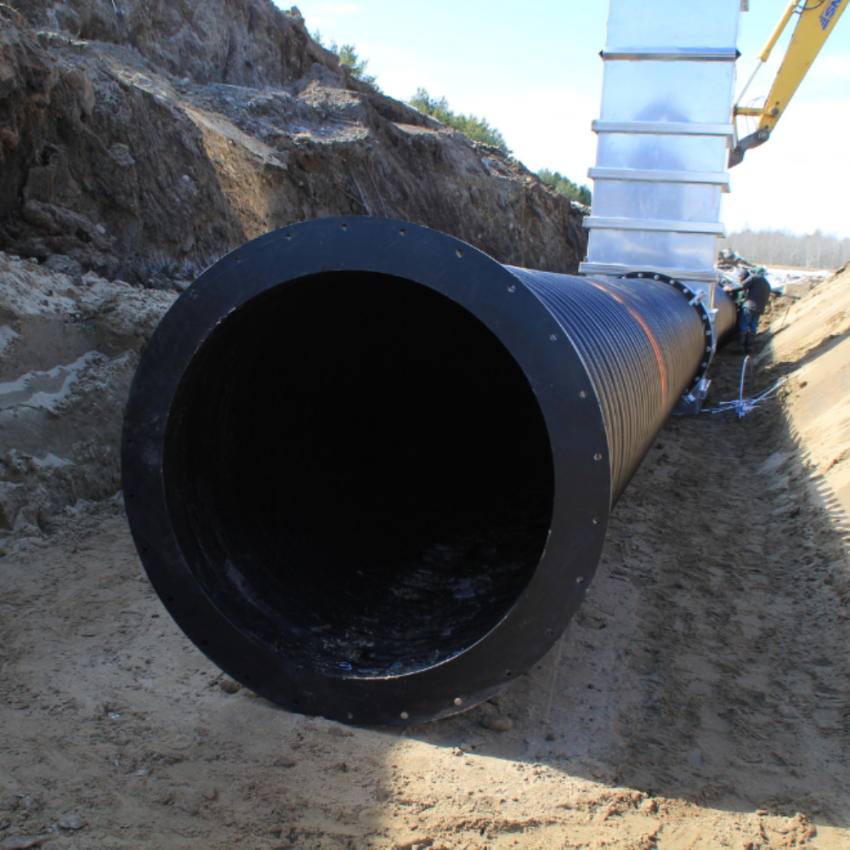
Following installation, Atocas St‑François observed several significant improvements in daily operations and water management efficiency.
Improved Water Level Control – The upgraded HDPE system provides more stable and precise water control during critical harvesting periods, helping operators better manage flooding and drainage cycles.
Reduced Water Loss – Enhanced watertightness significantly reduced leakage-related losses, improving overall system efficiency.
Lower Maintenance Requirements – The corrosion-resistant HDPE infrastructure minimizes maintenance interventions and helps reduce operational downtime during high-pressure harvest periods.
Increased Operational Stability – More reliable hydraulic performance contributes to smoother operations, improved field predictability, and reduced operational risk.
Together, these improvements support more efficient agricultural water management while helping ensure long-term productivity for organic cranberry operations.


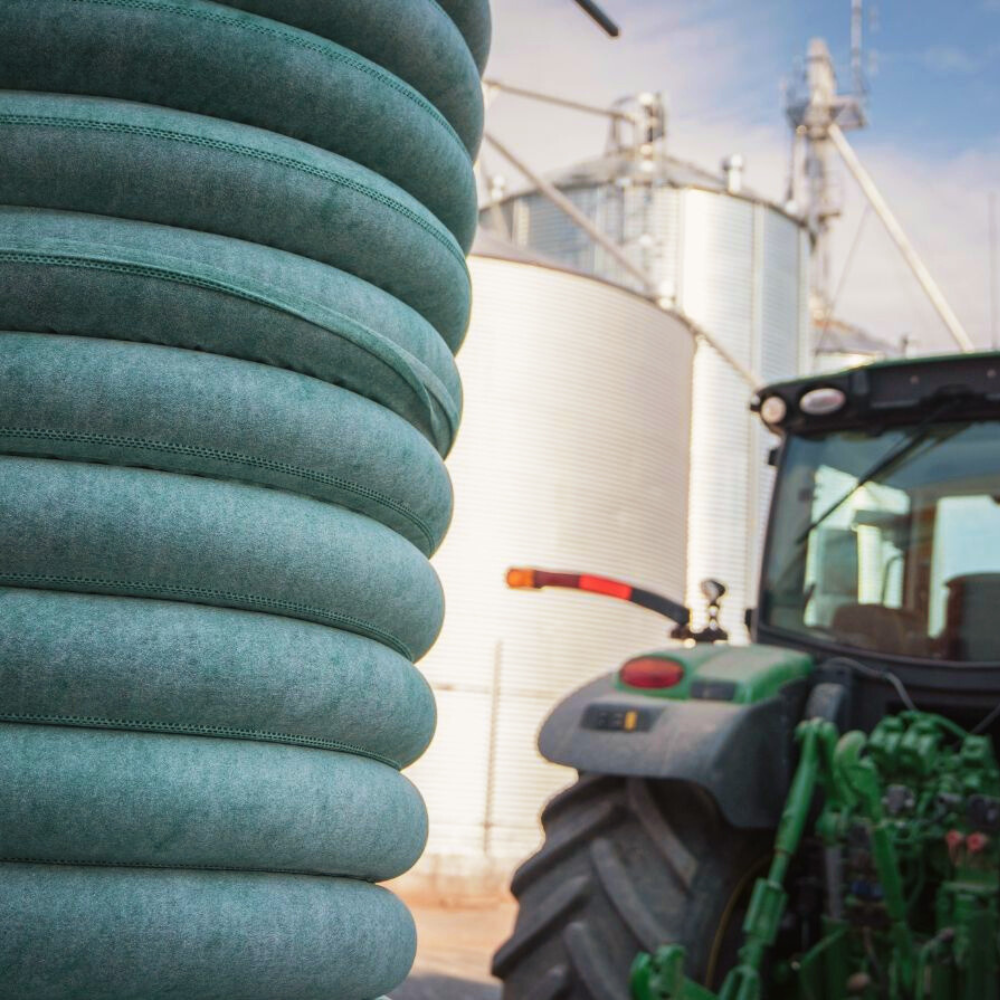
High-density polyethylene (HDPE) systems are increasingly recognized as a durable and efficient solution for precision agriculture and water control applications.
Compared to traditional steel systems, HDPE offers:
For operations that rely heavily on precise water control—such as cranberry production—HDPE infrastructure provides a sustainable and long-lasting solution adapted to the realities of modern agriculture.
Water is money
Modern Farmers always have more pressure. They need to do more with less. That brings a lot of pressure on the productivity of the operations and efficiency of the fields. In a world where we can’t control climatic hazards and other negative external events, we need to focus on what we can control : Water.
At Soleno, we are mastering the water sustainably since 1977. By delivering innovative water management solutions, we help optimize water usage and quality for better biodiversity, soil sustainability and crop efficiency.
Up to 30% more yield for the same field.